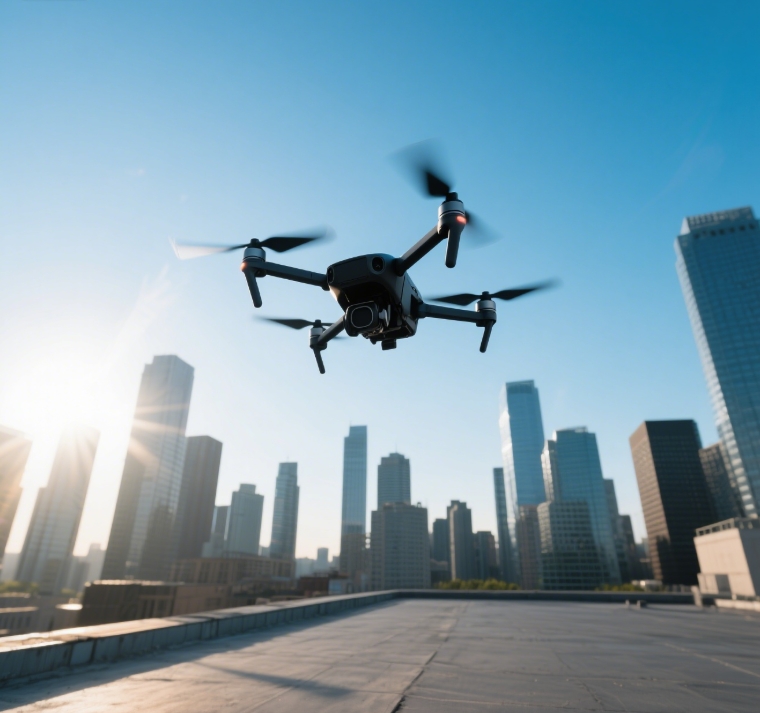
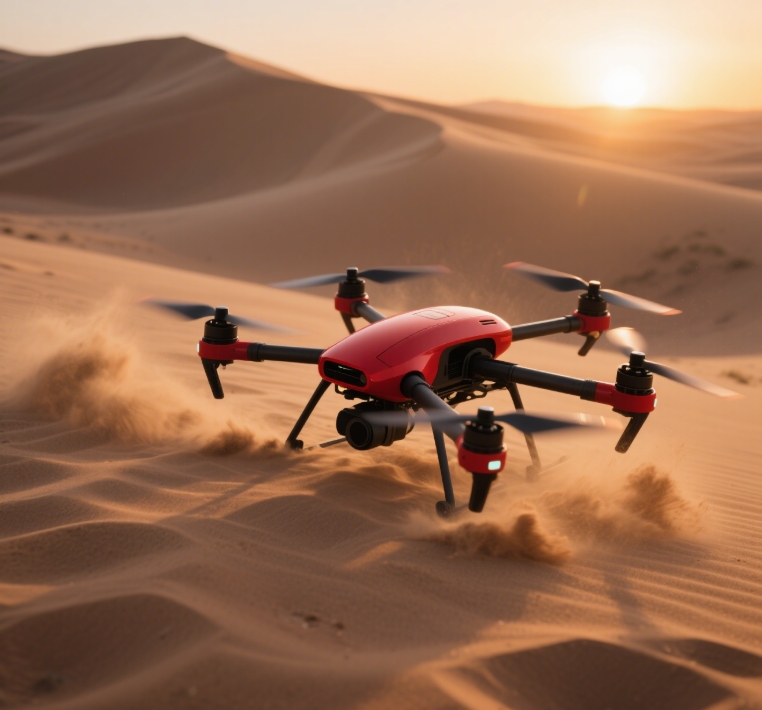
Dust swirled as the 83-pound drone launched from a clearing near a cornfield. With its four propellers humming, Paige Browning used a handheld controller to move the drone across the field, spraying a mist of fungicide on the crops below.
"You think in your head it's going to be fun -- cool job, right?" said Browning, a rancher who started flying agricultural drones two years ago with her father and uncle. "But when you get into the nitty gritty and actually doing it, it's a very dirty job."
Browning is one of around 1,000 pilots authorized to fly agricultural drones in the U.S., according to a spokesperson with the Federal Aviation Administration. Around 85% of those pilots were approved last year.
Agricultural drones can cost between $30,000 and $50,000 but are still cheaper than traditional crop-dusting airplanes. The drones can also spread chemicals and seeds more efficiently by getting closer to the ground, especially when dealing with hilly terrain, telephone poles and oddly shaped fields.
However, the agricultural drone industry is much more complex than traditional "backyard" drones flown by hobbyists. With a width sometimes exceeding 35 feet, the drones can cause significant damage in a crash. Flight patterns must also be carefully monitored as the chemicals they spread can be toxic to farmworkers on the ground.
Federal regulators are struggling to keep up with the emerging technology and the flood of pilot applications, which topped 1,200 during the first six months of 2024, according to an Investigate Midwest analysis of records in October.